Bell Cut / Detachable Bell Conversion
For many horn players, transporting a fixed-bell instrument is one of the most stressful parts of being a musician. A detachable bell conversion eliminates that stress — making travel easier, cases smaller, and your instrument safer on the road. And done correctly, the conversion doesn't just make your horn more convenient. By removing tension that was built into the original assembly, many players find their horn actually plays better after the conversion than it did before.
Don't let the idea of cutting your horn make you nervous. In the right hands, this is a well-established and highly refined process — and the result is worth it.
How it's done — and why it matters that it's done right
There is only one correct way to perform a bell cut conversion, and that is to fully unsolder both the mouthpipe and the complete bell tail before any cutting begins. Shortcuts in this process create stress points in the instrument that affect playability and structural integrity. At Reddick Hornworks, every conversion is done the right way — no exceptions.
Fit & Inspection The bell ring is test fitted to the instrument, carefully identifying all contact points and verifying that the bell is round and free of damage before any work begins. A bell that isn't perfectly round will never seat properly in a ring, so this step is critical.
Precision Machining Every bell has its own unique taper. Using the lathe, the ring is precision machined to match the exact taper of your specific bell — ensuring a tight, consistent, airtight fit. This is not a one-size-fits-all process. Each conversion is custom fitted to the individual instrument.
Surface Preparation If the horn is lacquered, the lacquer is carefully removed from the areas the ring will cover and around the main bell brace to ensure a clean, properly prepared surface for soldering.
Cutting The male ring — the bottom half that sits on the bell flare side — is soldered to the bell first, then used as a precise guide for the razor saw cut. This ensures a perfectly straight, clean cut that follows the exact geometry of the ring. Both halves are then carefully cleaned up and prepared for final fitting.
Ring Soldering The rings are assembled together with oil applied between them to prevent them from accidentally soldering to each other during the next step. The female ring is tacked in place, the bell flare is removed, and the female ring is then fully soldered to the bell tail. Thorough solder cleanup and buffing follow to restore a clean, professional finish.
Reassembly & Stress Relief This is where the real craftsmanship comes in. The bell tail is wired back to the body with copper wire and all braces are carefully adjusted to ensure the horn goes back together completely free of tension. The main bell brace typically requires trimming to accommodate the bell ring, which passes through the area where the brace previously lived.
Once everything is aligned and stress-free, the bell tail is soldered back to the body along with the main bell brace. The mouthpipe is then resoldered into position — again verified to be completely free of tension before the joint is finalized. A horn that is assembled under tension is a horn that is fighting itself, and eliminating that tension is one of the reasons many players notice an improvement in playability after this conversion.
The result is a detachable bell instrument that fits a smaller case, travels more safely, and may very well play better than it did the day it came in.
For local drop-off customers I can typically complete the bell cut conversion the same day — drop your horn off in the morning and pick it up by the end of the day. No need to be without your instrument for days or weeks.
Ready to free your horn? Book your Bell Cut Conversion directly:
French Horn Bell Cut—Book Now
Tenor Trombone Bell Cut —Book Now
Bass Trombone Bell Cut —Book Now
Price includes a standard Alexander compatible ring for horn or Shires ring for trombone. Other rings are available upon request at an additional charge. Trombones with soldered bells will have an additional charge. Contact us for a custom quote — (817) 330-9572 or repair@reddickhornworks.com
Bell Cut / Detachable Bell Conversion
For many horn players, transporting a fixed-bell instrument is one of the most stressful parts of being a musician. A detachable bell conversion eliminates that stress — making travel easier, cases smaller, and your instrument safer on the road. And done correctly, the conversion doesn't just make your horn more convenient. By removing tension that was built into the original assembly, many players find their horn actually plays better after the conversion than it did before.
Don't let the idea of cutting your horn make you nervous. In the right hands, this is a well-established and highly refined process — and the result is worth it.
How it's done — and why it matters that it's done right
There is only one correct way to perform a bell cut conversion, and that is to fully unsolder both the mouthpipe and the complete bell tail before any cutting begins. Shortcuts in this process create stress points in the instrument that affect playability and structural integrity. At Reddick Hornworks, every conversion is done the right way — no exceptions.
Fit & Inspection The bell ring is test fitted to the instrument, carefully identifying all contact points and verifying that the bell is round and free of damage before any work begins. A bell that isn't perfectly round will never seat properly in a ring, so this step is critical.
Precision Machining Every bell has its own unique taper. Using the lathe, the ring is precision machined to match the exact taper of your specific bell — ensuring a tight, consistent, airtight fit. This is not a one-size-fits-all process. Each conversion is custom fitted to the individual instrument.
Surface Preparation If the horn is lacquered, the lacquer is carefully removed from the areas the ring will cover and around the main bell brace to ensure a clean, properly prepared surface for soldering.
Cutting The male ring — the bottom half that sits on the bell flare side — is soldered to the bell first, then used as a precise guide for the razor saw cut. This ensures a perfectly straight, clean cut that follows the exact geometry of the ring. Both halves are then carefully cleaned up and prepared for final fitting.
Ring Soldering The rings are assembled together with oil applied between them to prevent them from accidentally soldering to each other during the next step. The female ring is tacked in place, the bell flare is removed, and the female ring is then fully soldered to the bell tail. Thorough solder cleanup and buffing follow to restore a clean, professional finish.
Reassembly & Stress Relief This is where the real craftsmanship comes in. The bell tail is wired back to the body with copper wire and all braces are carefully adjusted to ensure the horn goes back together completely free of tension. The main bell brace typically requires trimming to accommodate the bell ring, which passes through the area where the brace previously lived.
Once everything is aligned and stress-free, the bell tail is soldered back to the body along with the main bell brace. The mouthpipe is then resoldered into position — again verified to be completely free of tension before the joint is finalized. A horn that is assembled under tension is a horn that is fighting itself, and eliminating that tension is one of the reasons many players notice an improvement in playability after this conversion.
The result is a detachable bell instrument that fits a smaller case, travels more safely, and may very well play better than it did the day it came in.
For local drop-off customers I can typically complete the bell cut conversion the same day — drop your horn off in the morning and pick it up by the end of the day. No need to be without your instrument for days or weeks.
Ready to free your horn? Book your Bell Cut Conversion directly:
French Horn Bell Cut—Book Now
Tenor Trombone Bell Cut —Book Now
Bass Trombone Bell Cut —Book Now
Price includes a standard Alexander compatible ring for horn or Shires ring for trombone. Other rings are available upon request at an additional charge. Trombones with soldered bells will have an additional charge. Contact us for a custom quote — (817) 330-9572 or repair@reddickhornworks.com

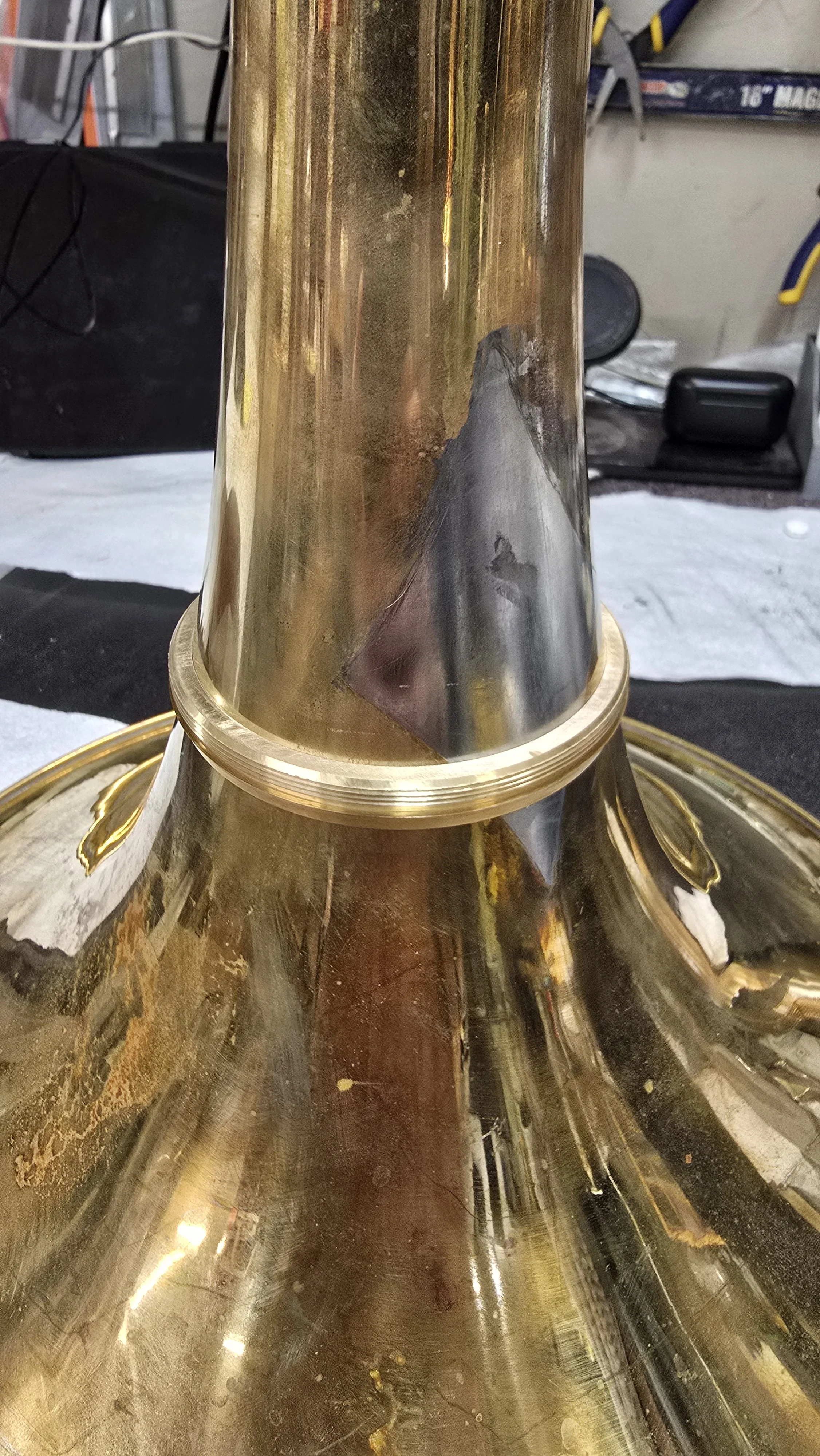 Image 1 of 19
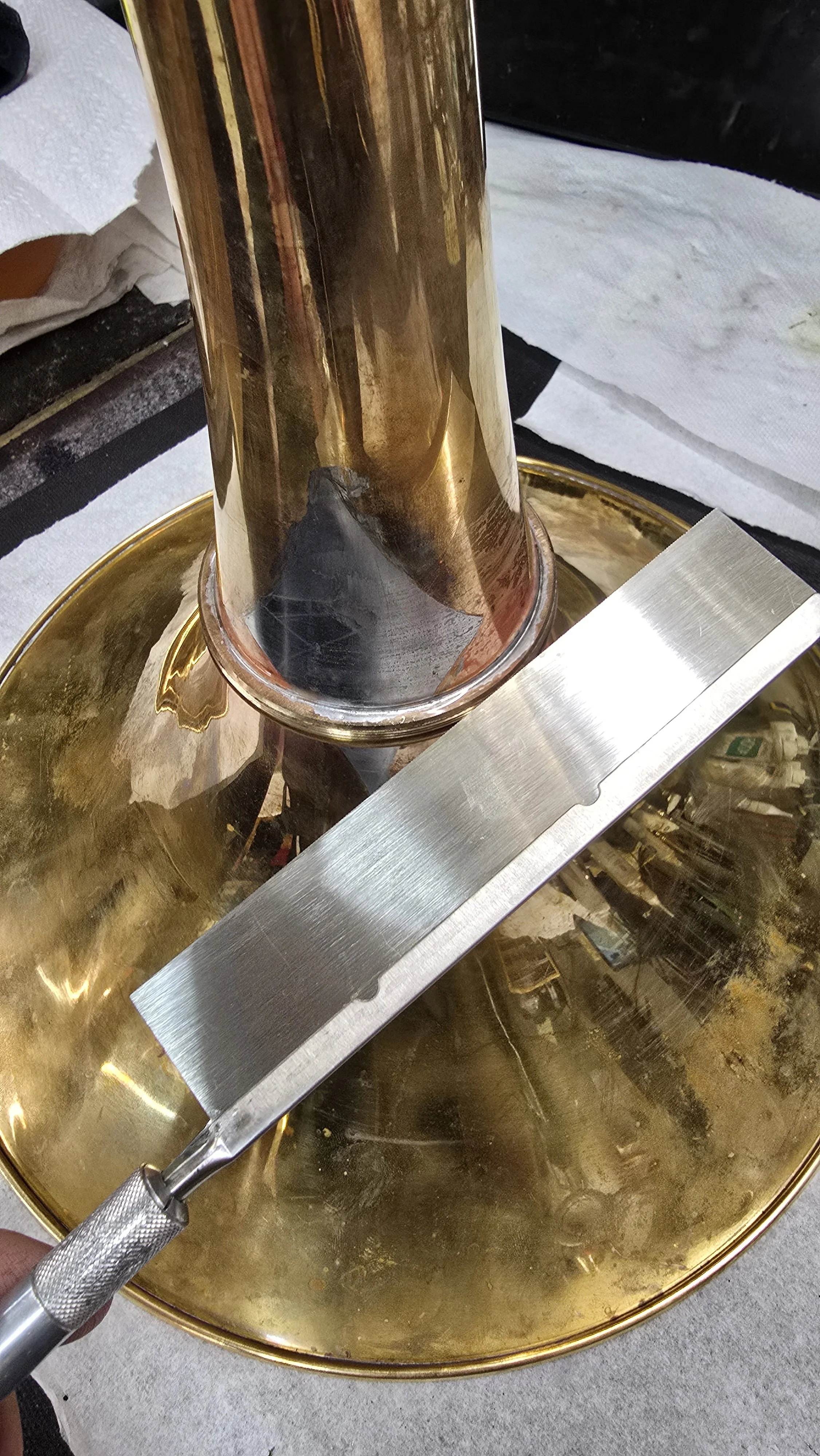 Image 2 of 19
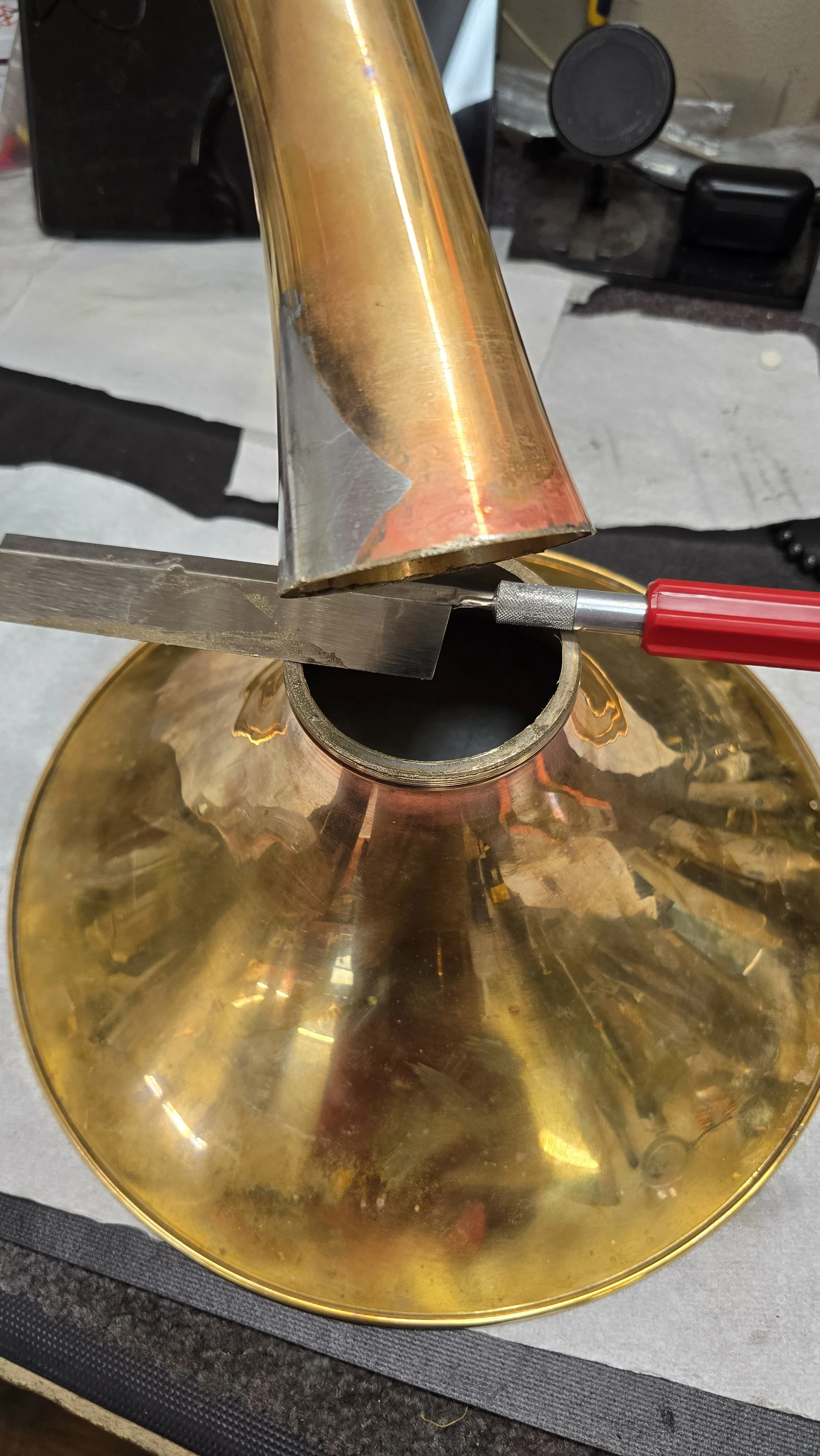 Image 3 of 19
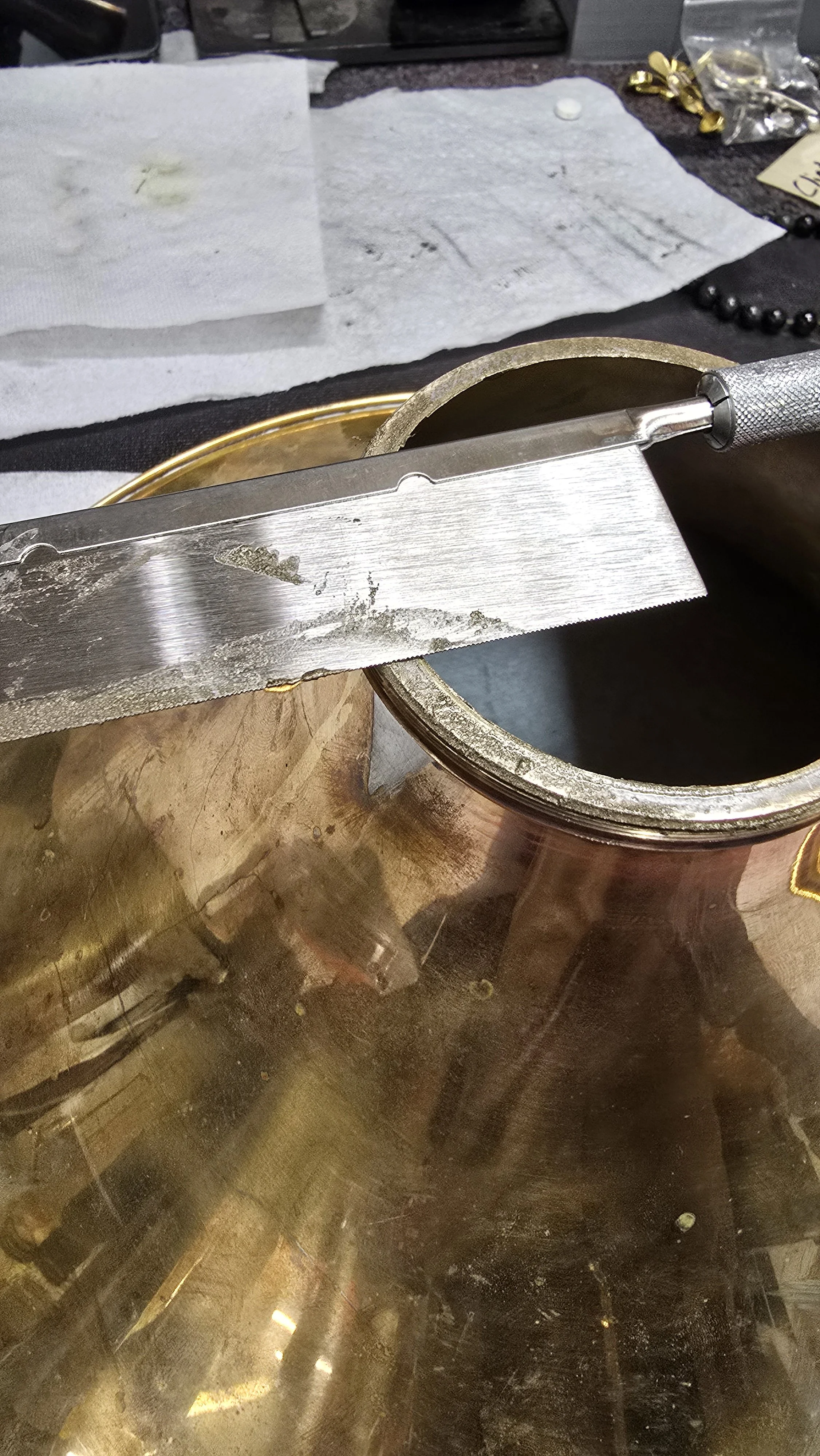 Image 4 of 19
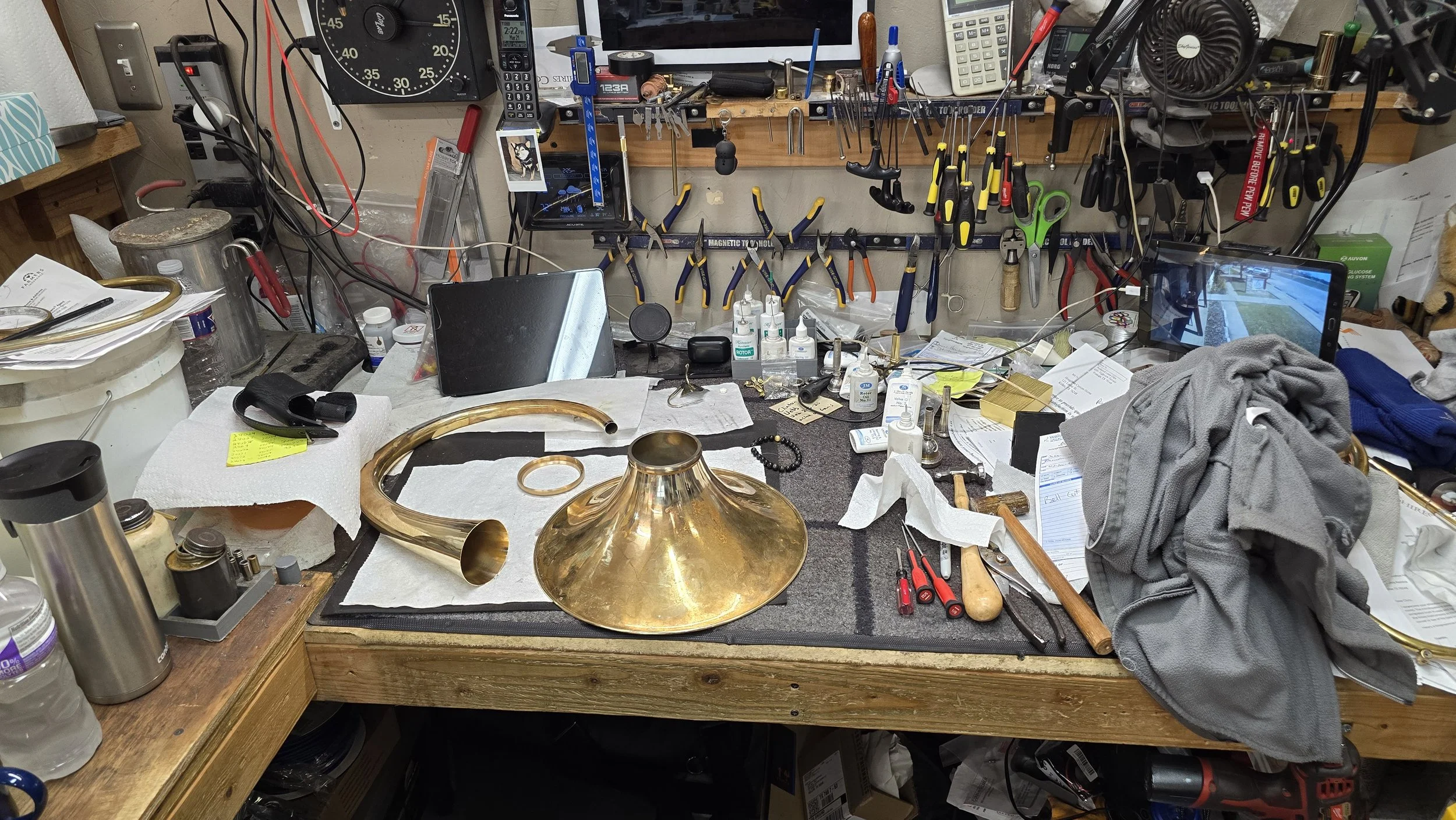 Image 5 of 19
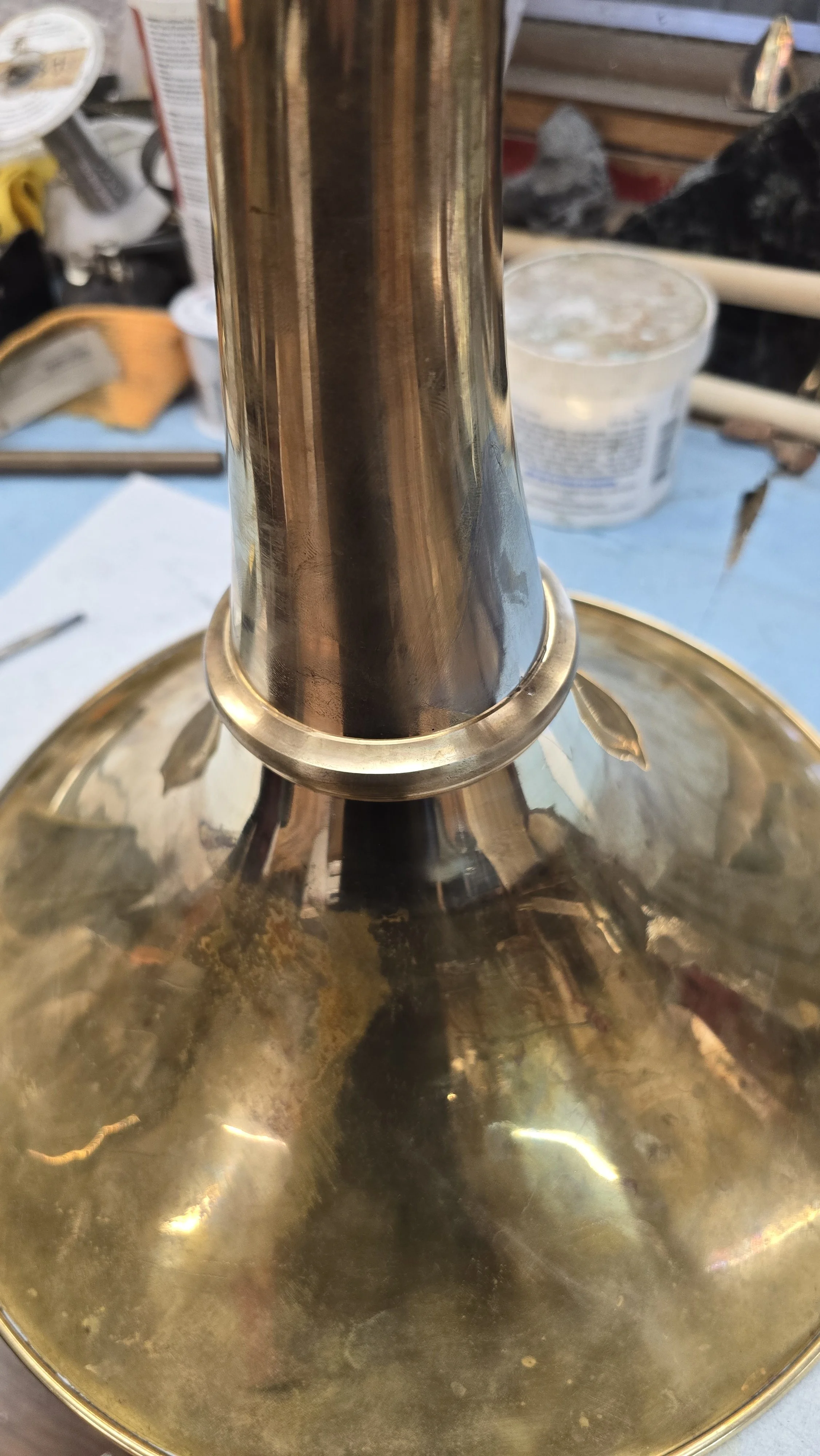 Image 6 of 19
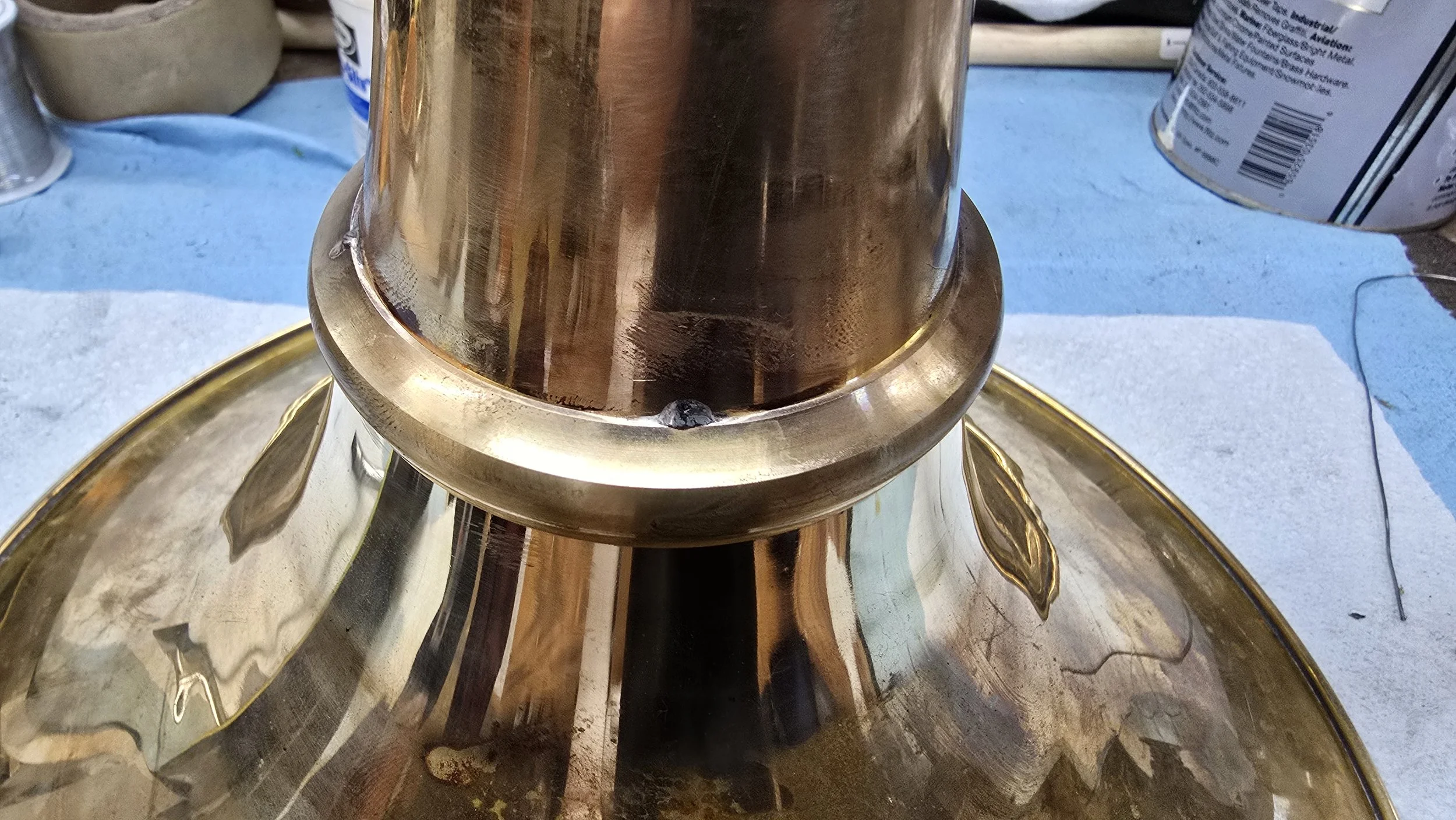 Image 7 of 19
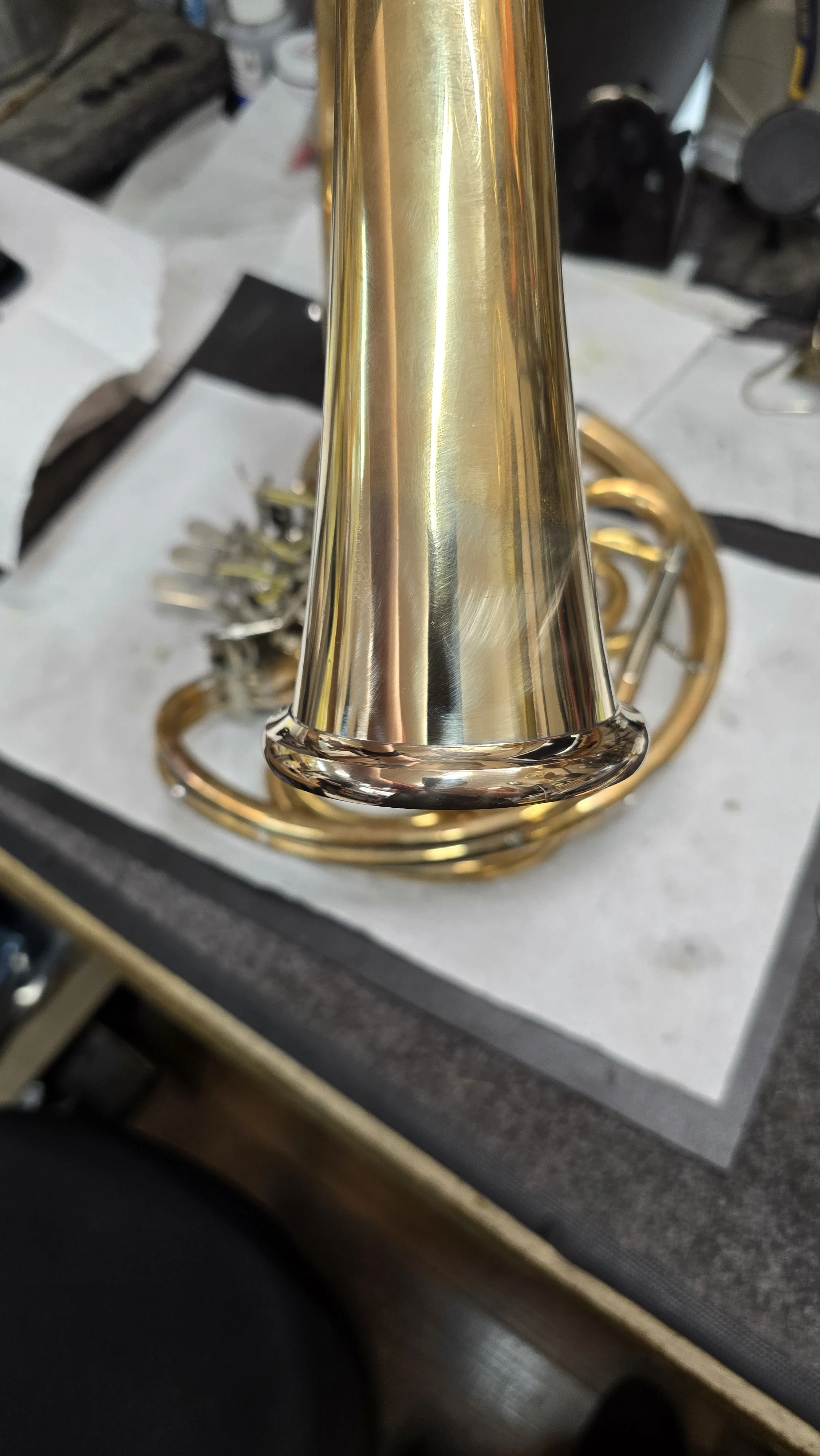 Image 8 of 19
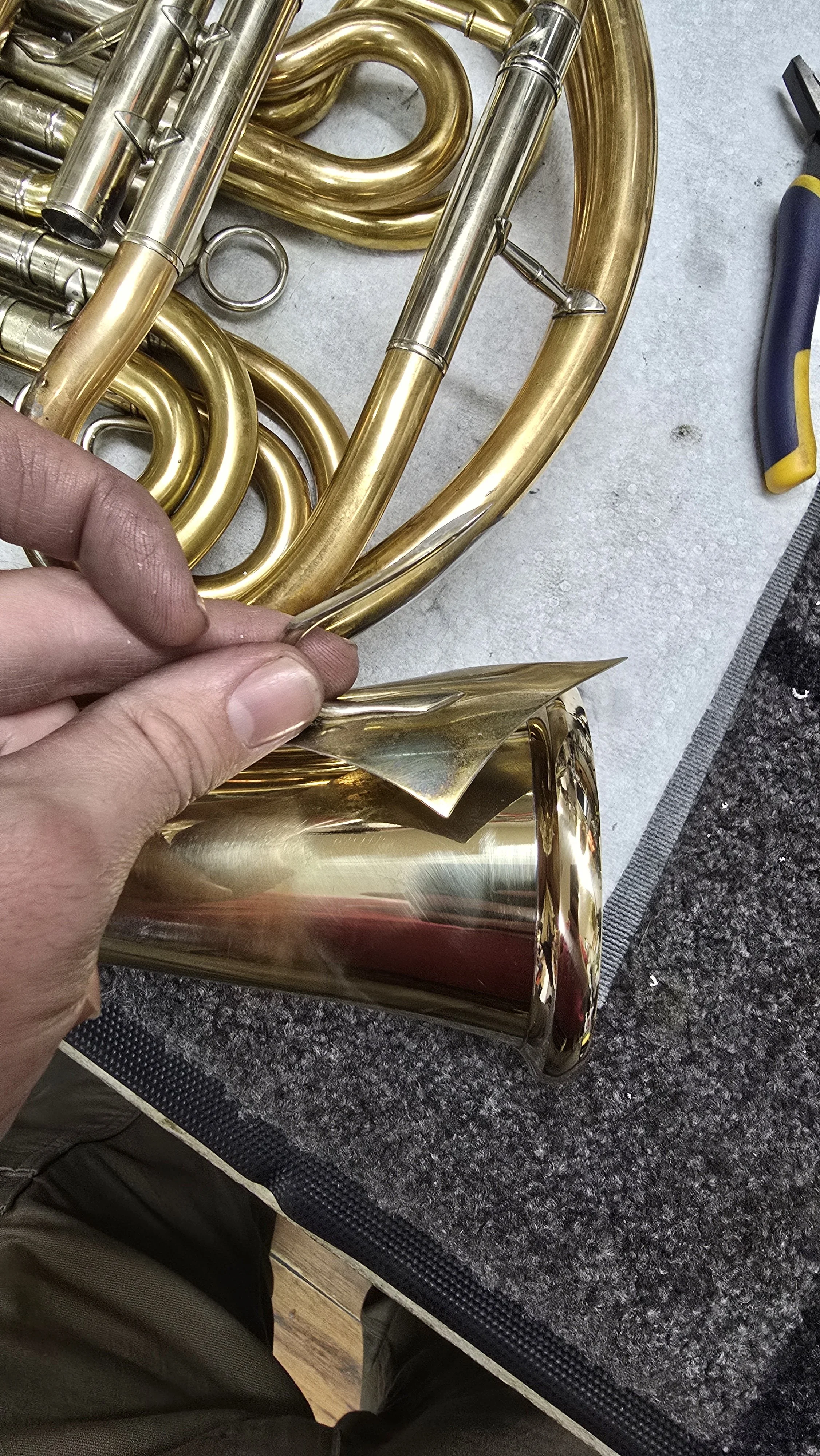 Image 9 of 19
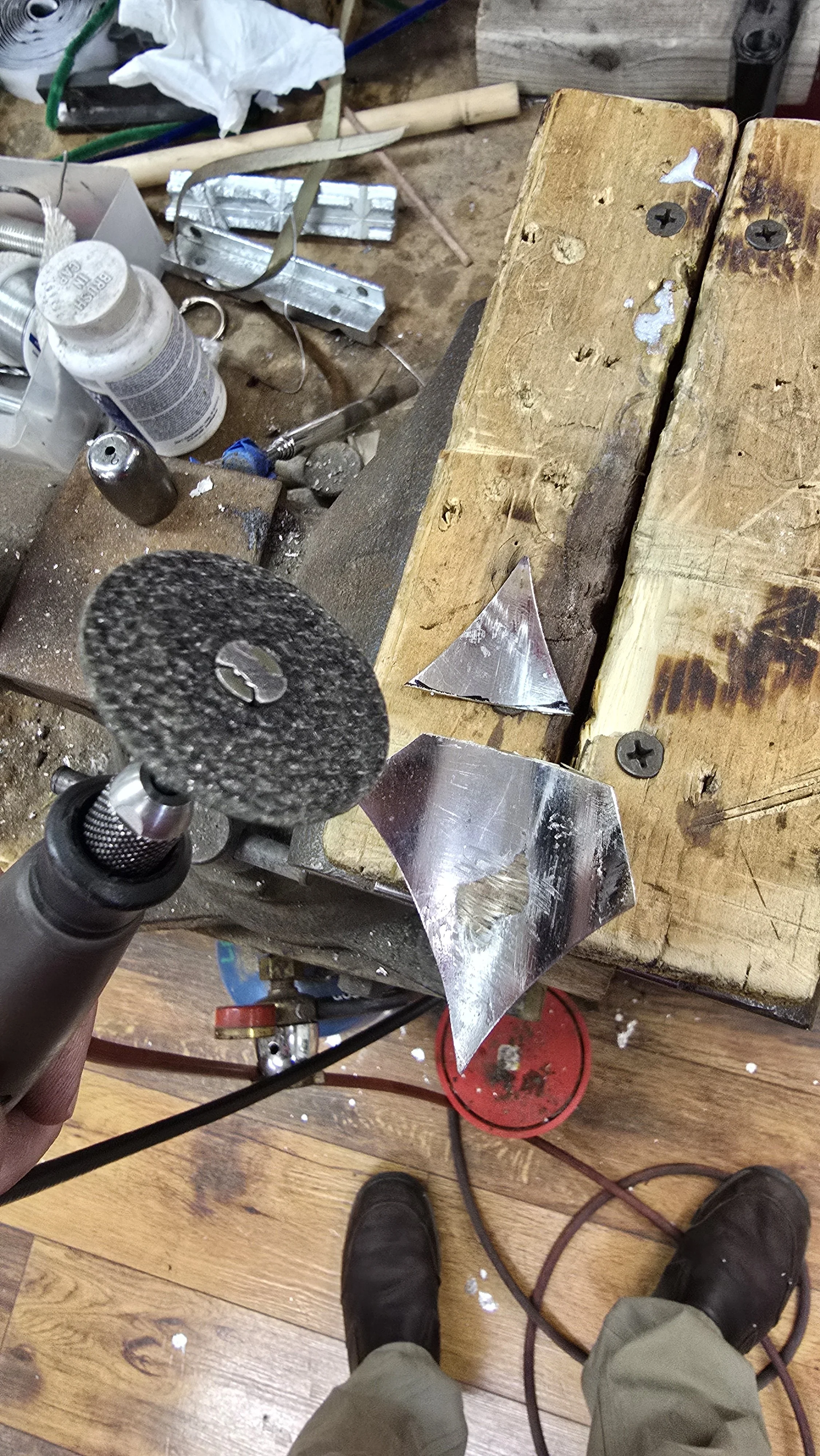 Image 10 of 19
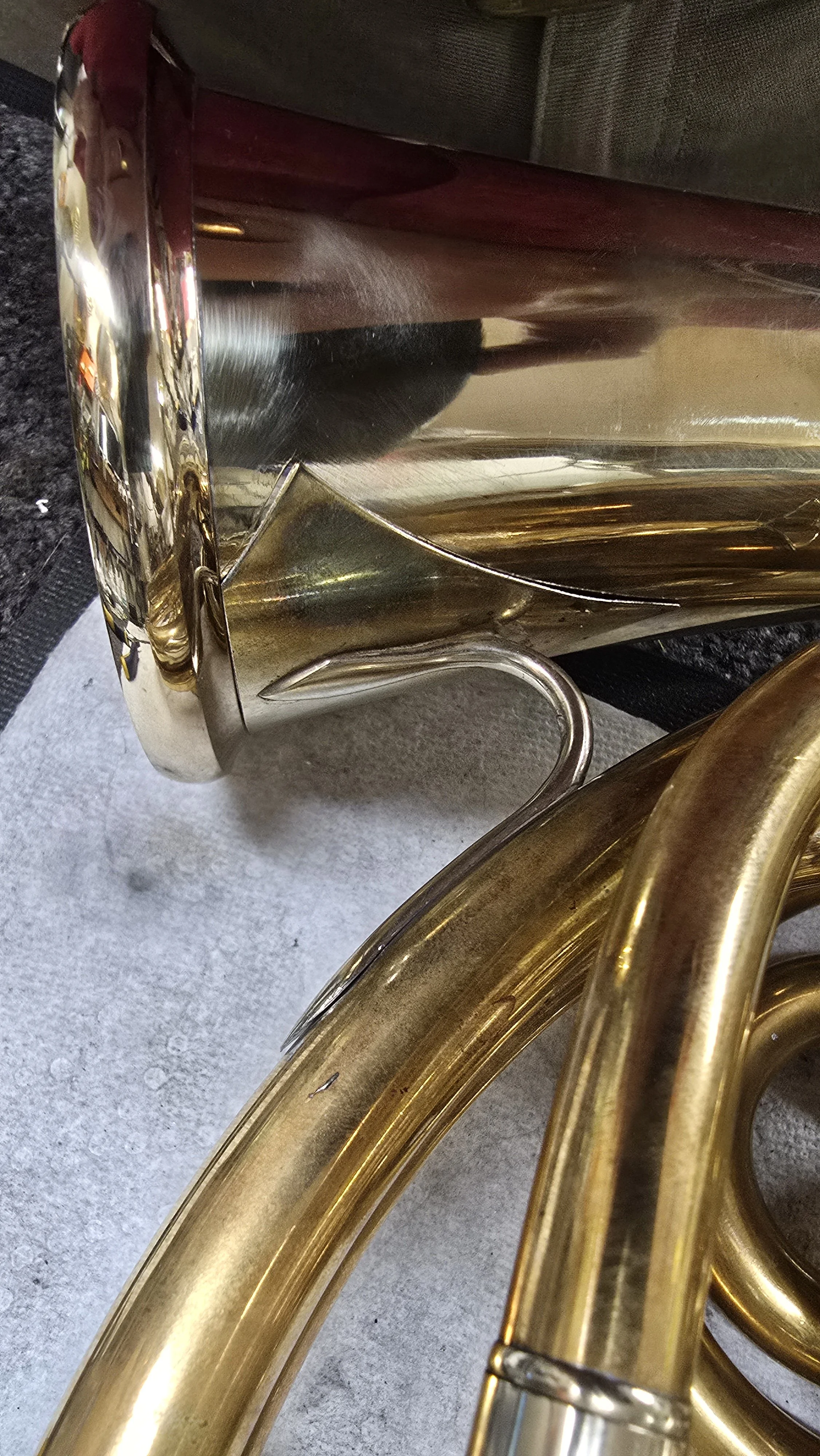 Image 11 of 19
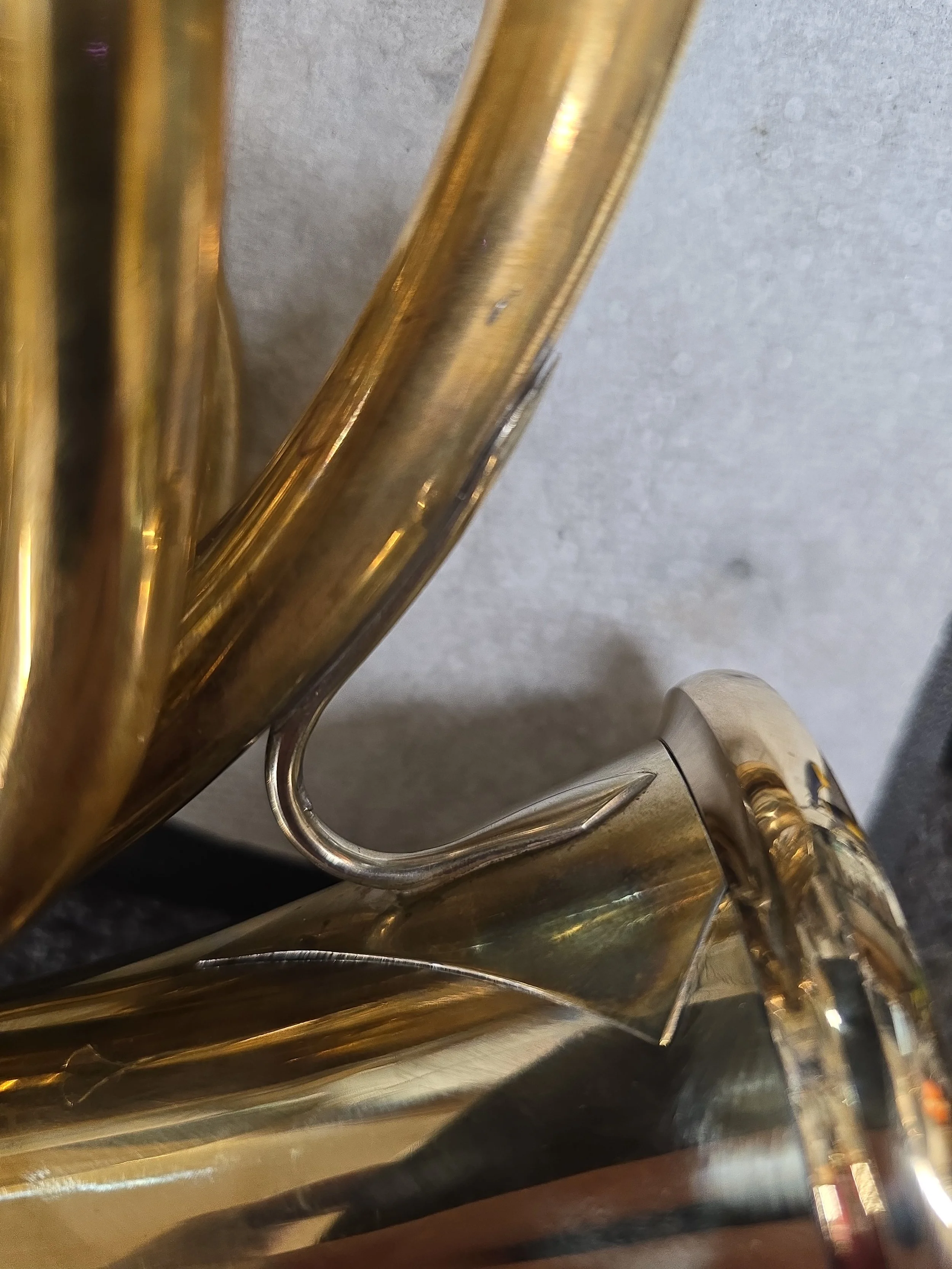 Image 12 of 19
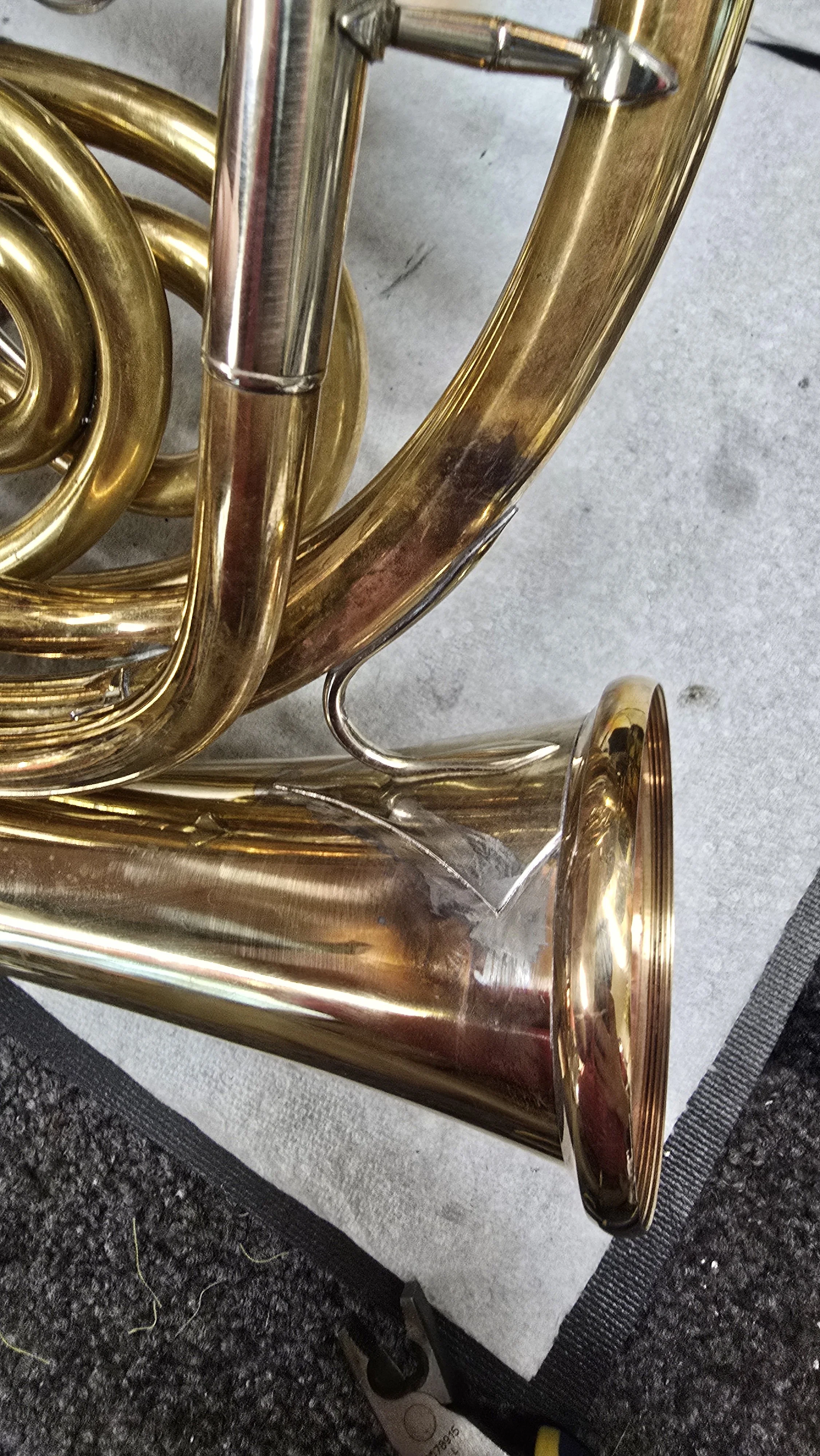 Image 13 of 19
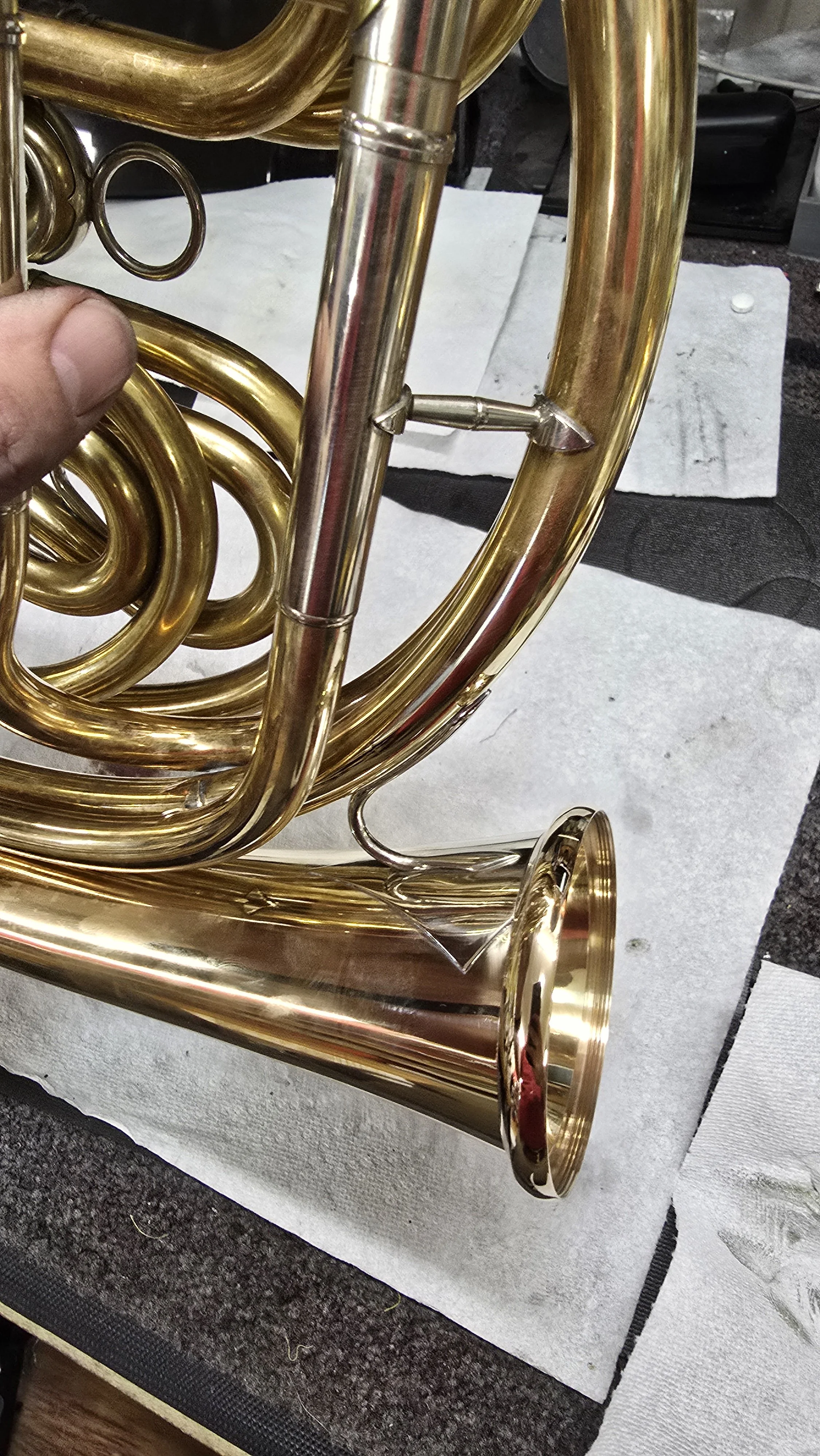 Image 14 of 19
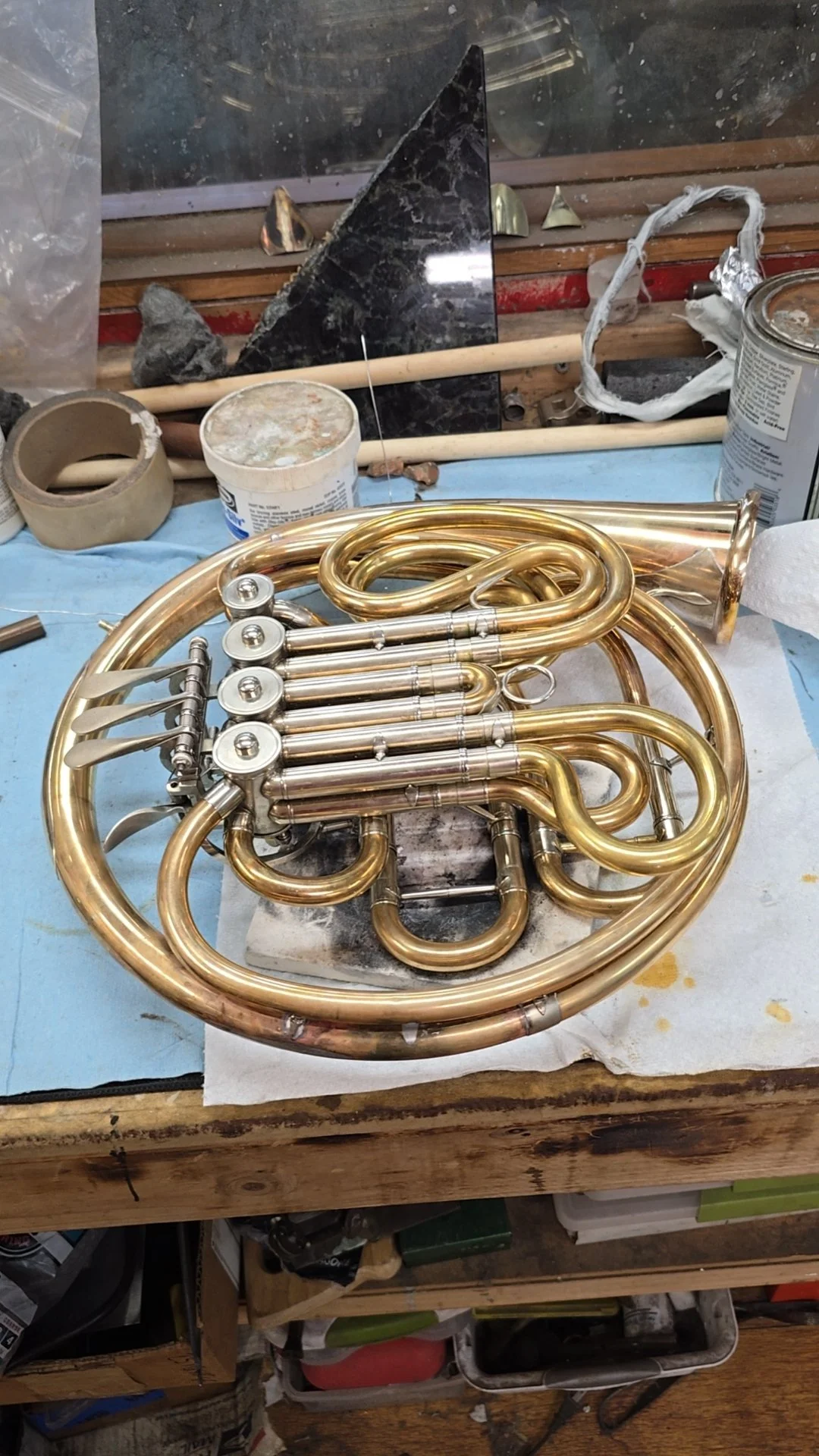 Image 15 of 19
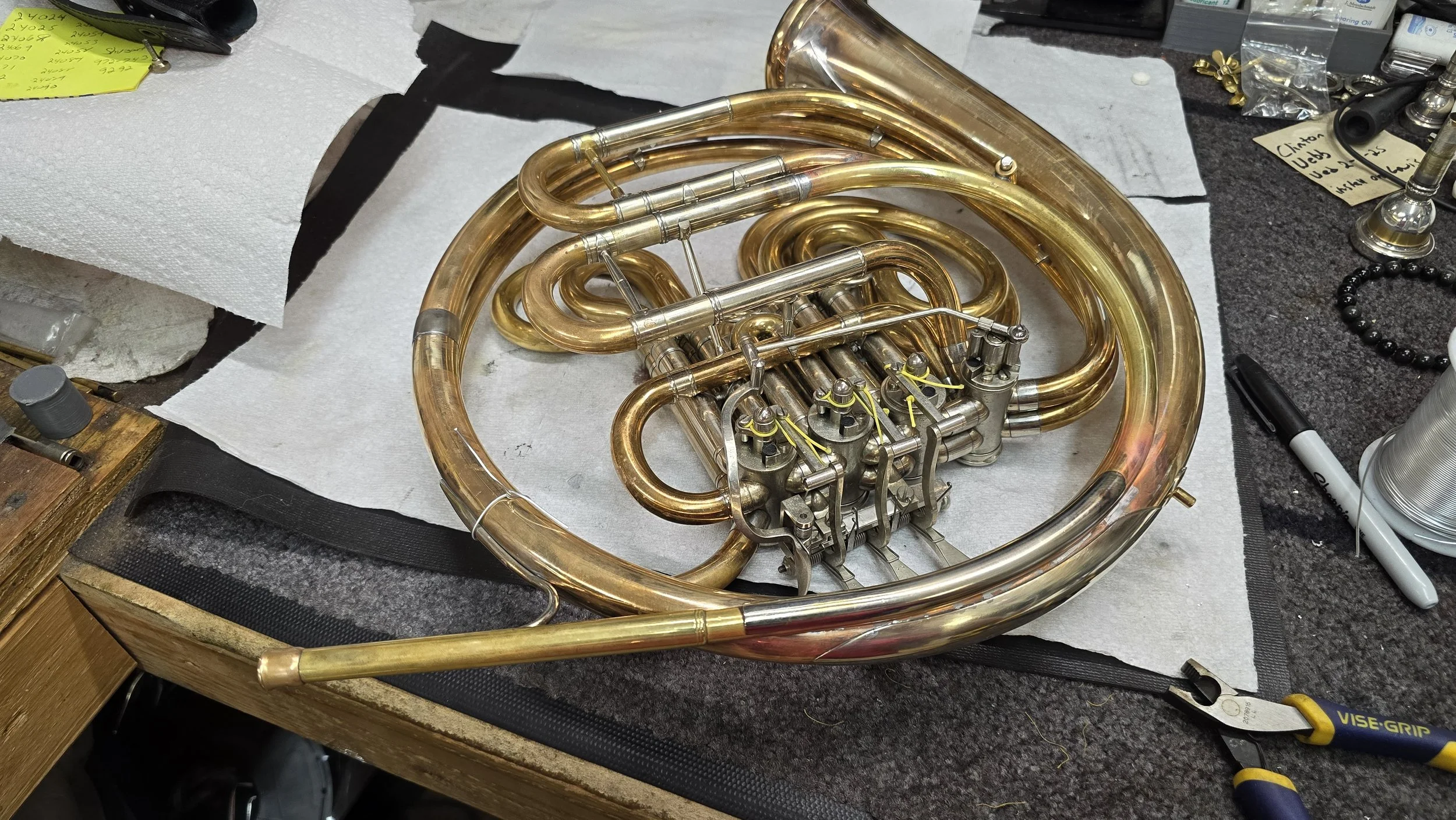 Image 16 of 19
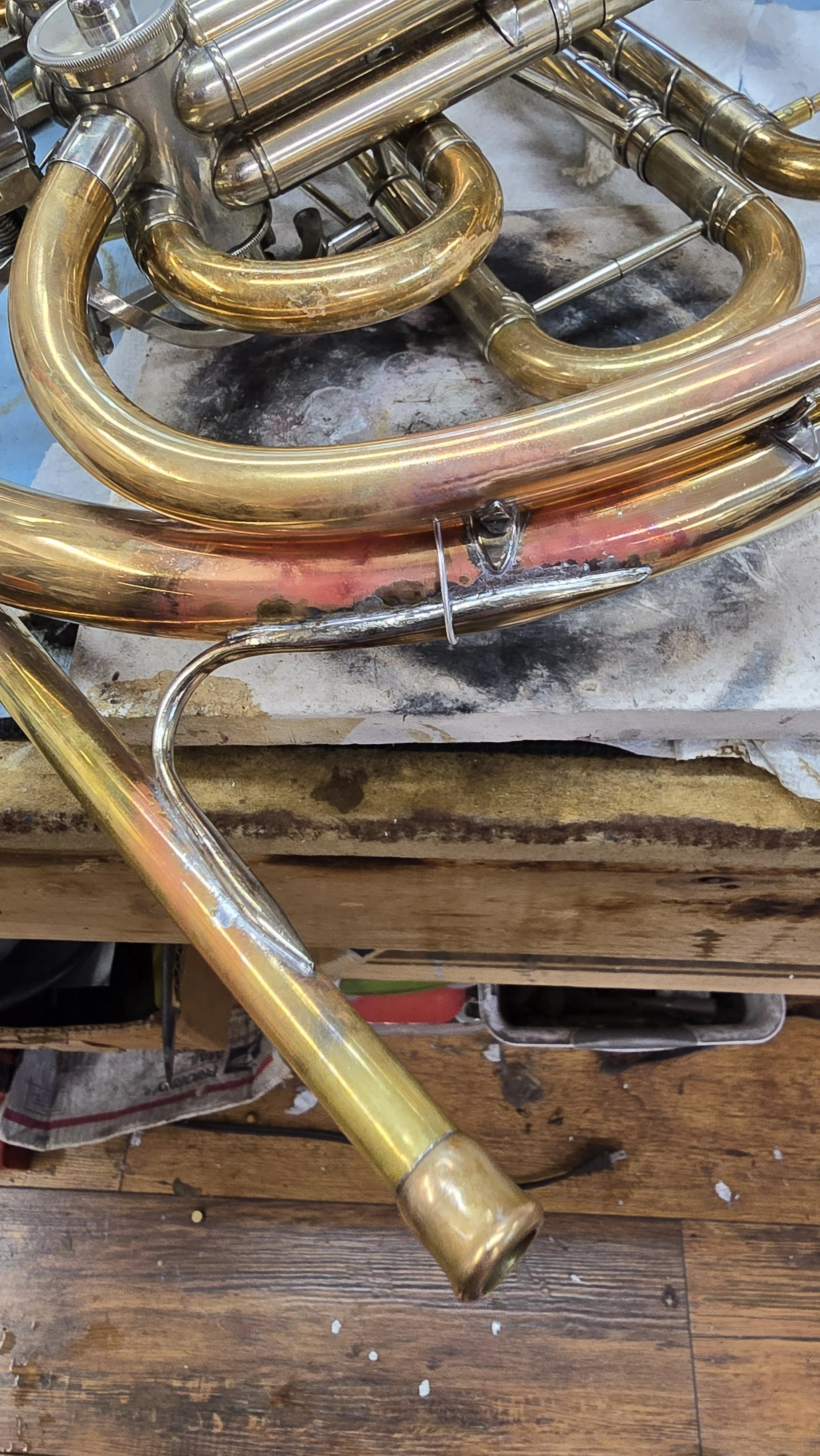 Image 17 of 19
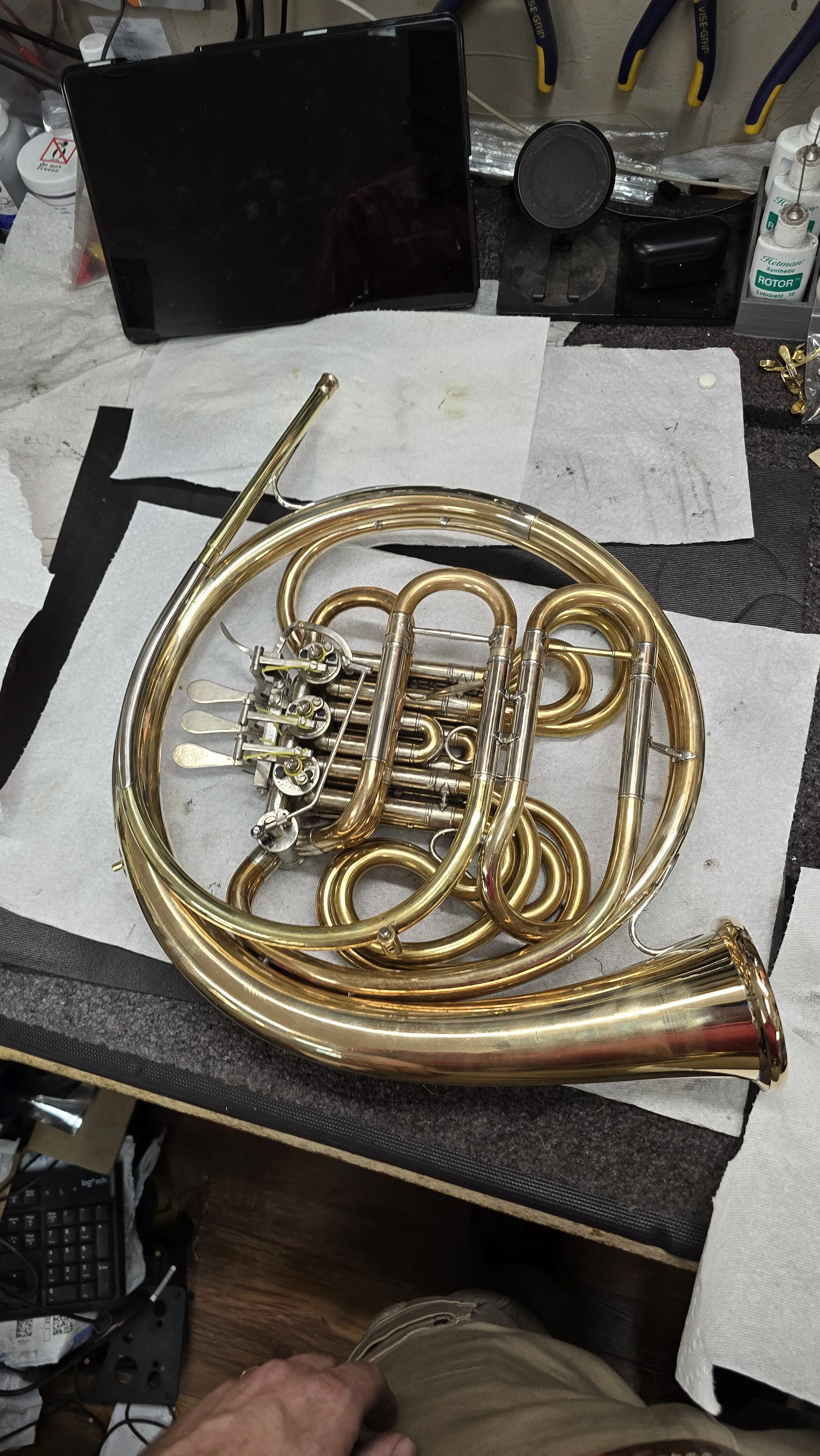 Image 18 of 19
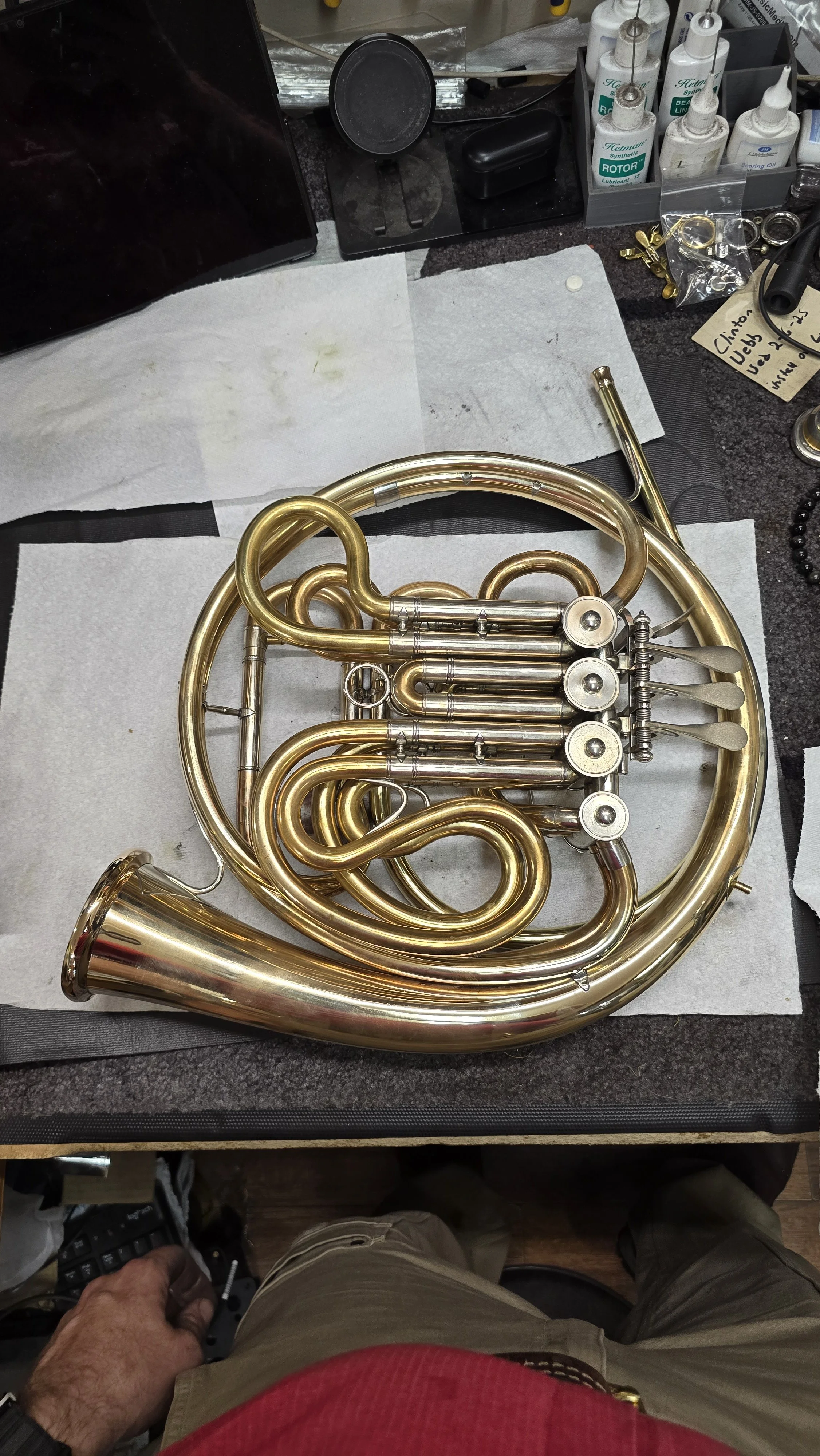 Image 19 of 19